


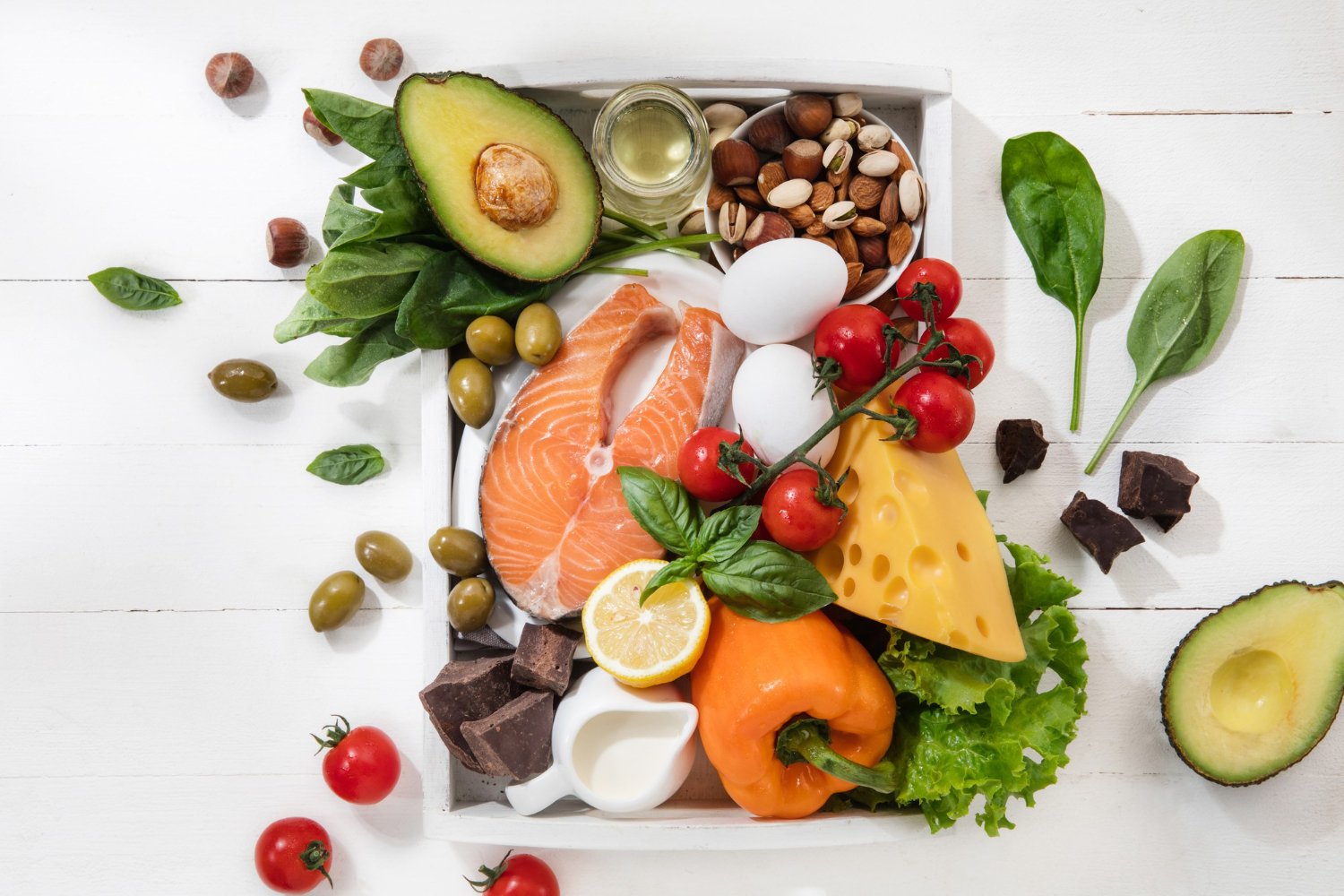
How Your Plate Paves the Way for Greater Flexibility
When we talk about flexibility, our minds often jump to yoga poses, stretching routines, or maybe even those incredibly limber gymnasts. But what if I told you that one of the most powerful tools for improving your flexibility isn’t found in a studio, but in your kitchen? That’s right—the food you eat plays a far more significant role in your body’s range of motion than you might realize.
Flexibility isn’t just about how far you can reach; it’s about the health of your muscles, joints, ligaments, and connective tissues. And guess what nurtures all of these? Your diet.
The Inflammation-Flexibility Connection
One of the biggest culprits hindering flexibility is inflammation. Chronic inflammation, often fueled by poor dietary choices, can lead to stiff, painful joints, tight muscles, and a reduced range of motion. Think of it like rust on a hinge – movement becomes restricted and uncomfortable.
Foods that promote inflammation (and should be limited):
- Processed Foods: High in unhealthy fats, sugar, and artificial ingredients.
- Refined Sugars: Found in sodas, candies, and many baked goods, they spike insulin and promote inflammation.
- Trans Fats & Excessive Saturated Fats: Often found in fried foods, fast food, and some processed snacks.
- Excessive Omega-6 Fatty Acids: While some are essential, an imbalance with Omega-3s (common in Western diets) can be pro-inflammatory. Think vegetable oils like corn, soy, and sunflower.
Foods that fight inflammation (and boost flexibility):
- Omega-3 Rich Foods: Fatty fish (salmon, mackerel, sardines), flaxseeds, chia seeds, walnuts. These healthy fats are potent anti-inflammatories.
- Colorful Fruits and Vegetables: Berries, leafy greens (spinach, kale), broccoli, bell peppers, turmeric, ginger. Packed with antioxidants and phytonutrients that combat cellular damage and inflammation.
- Whole Grains: Oats, quinoa, brown rice. Provide fiber and nutrients that support gut health, which is closely linked to systemic inflammation.
- Healthy Fats: Avocados, olive oil, nuts. These provide lubrication for joints and help absorb fat-soluble vitamins essential for tissue repair.
Hydration: The Lubricant for Your Body
Imagine trying to bend a dried-out sponge. Now imagine bending a moist, pliable one. That’s essentially what happens to your body without adequate hydration. Water is crucial for:
- Joint Lubrication: It’s a primary component of synovial fluid, which lubricates your joints, allowing for smooth, friction-free movement.
- Muscle Elasticity: Dehydrated muscles are stiffer, more prone to cramping, and less able to stretch effectively.
- Nutrient Transport: Water helps transport nutrients to your cells and tissues, including those vital for repair and flexibility.
Aim for at least 8 glasses of water a day, and more if you’re active. Herbal teas and water-rich fruits and vegetables also contribute to your daily intake.
Collagen and Connective Tissue Support
Collagen is the most abundant protein in your body, forming the structure of your skin, bones, tendons, and ligaments – all crucial for flexibility. As we age, our natural collagen production declines.
How diet can help:
- Vitamin C: Essential for collagen synthesis. Find it in citrus fruits, bell peppers, strawberries, and broccoli.
- Amino Acids: Proline and Glycine are key building blocks for collagen. Bone broth, eggs, and lean meats are good sources.
- Zinc & Copper: Minerals that play a role in collagen formation. Nuts, seeds, legumes, and whole grains contain these.
The Role of Micronutrients
Beyond the macronutrients, a host of vitamins and minerals contribute to the health and flexibility of your musculoskeletal system:
- Magnesium: Helps muscles relax, preventing stiffness and spasms. Found in leafy greens, nuts, seeds, and dark chocolate.
- Calcium: Essential for muscle function and bone health. Dairy, fortified plant milks, and leafy greens are good sources.
- Vitamin D: Crucial for calcium absorption and muscle strength. Sunlight exposure, fatty fish, and fortified foods.
Practical Tips for a Flexibility-Friendly Diet
- Prioritize Whole Foods: Build your plate around fresh fruits, vegetables, lean proteins, and whole grains.
- Hydrate Consistently: Keep a water bottle handy and sip throughout the day.
- Embrace Healthy Fats: Incorporate avocados, nuts, seeds, and olive oil regularly.
- Go for Color: The more vibrant your produce, the more antioxidants and anti-inflammatory compounds you’re likely consuming.
- Listen to Your Body: Pay attention to how different foods make you feel. Do some foods make you feel stiff or sluggish? Adjust accordingly.
- Consider Supplements (with caution): While a whole-food diet is best, some people may benefit from Omega-3, Vitamin D, or magnesium supplements, especially if dietary intake is insufficient. Always consult a healthcare professional before starting any new supplement regimen.
Conclusion
True flexibility is a holistic endeavor. While stretching and movement are vital, nurturing your body from the inside out with a balanced, anti-inflammatory, and hydrating diet is the bedrock upon which lasting flexibility is built. By making conscious choices about what you eat, you’re not just feeding your body; you’re fueling its ability to move freely, comfortably, and pain-free for years to come.