

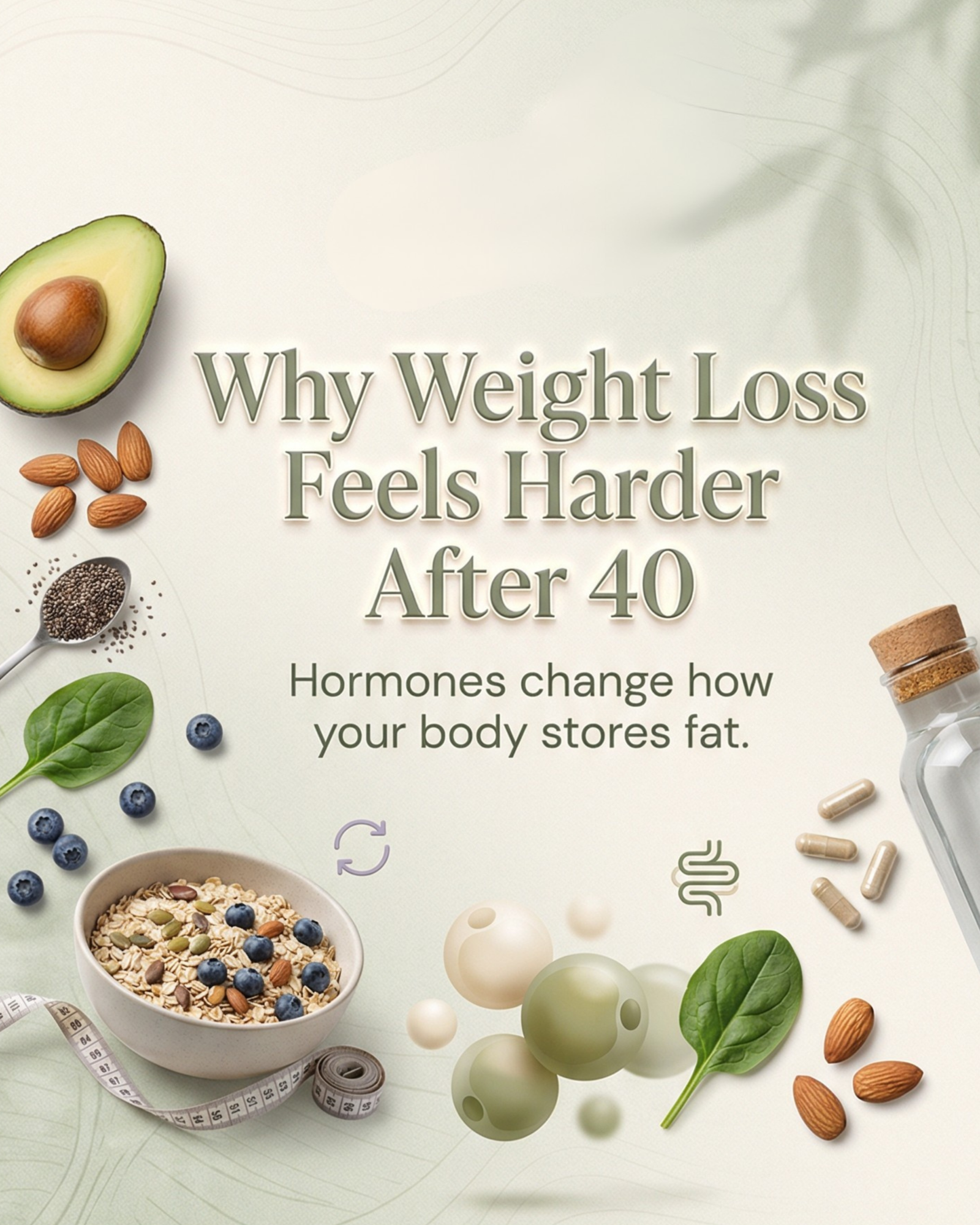
Have you noticed that the same diet and workout routine that worked in your 20s and 30s suddenly doesn’t work anymore? You’re not alone. Many people find that weight loss feels harder after 40 — and it’s not just in your head. Your body truly changes, and understanding those changes is the first step toward working with your body instead of fighting against it.
Let’s break down why this happens and what you can do to finally see results again.
1. Slower Metabolism
As we age, our basal metabolic rate (BMR) naturally decreases. This means your body burns fewer calories at rest than it used to. Muscle mass also declines over time, and since muscle burns more calories than fat, this shift directly impacts weight management.
What helps?
Strength training becomes essential after 40. Building and maintaining lean muscle can help boost metabolism and improve overall body composition.
2. Hormonal Changes
Hormones play a major role in weight regulation. For women, perimenopause and menopause bring fluctuations in estrogen, which can lead to increased belly fat. For men, testosterone levels gradually decline, affecting muscle mass and fat distribution.
These hormonal changes can also impact sleep, mood, and energy — all of which influence eating habits and physical activity.
3. Increased Stress and Cortisol
By 40, many people are juggling careers, family responsibilities, and financial pressures. Chronic stress increases cortisol levels, which is linked to stubborn abdominal fat and increased cravings for high-calorie comfort foods.
Managing stress through proper sleep, mindfulness, and balanced nutrition becomes critical.
4. Insulin Sensitivity Declines
As we age, the body may become less sensitive to insulin. This means carbohydrates are processed less efficiently, increasing fat storage, especially around the midsection.
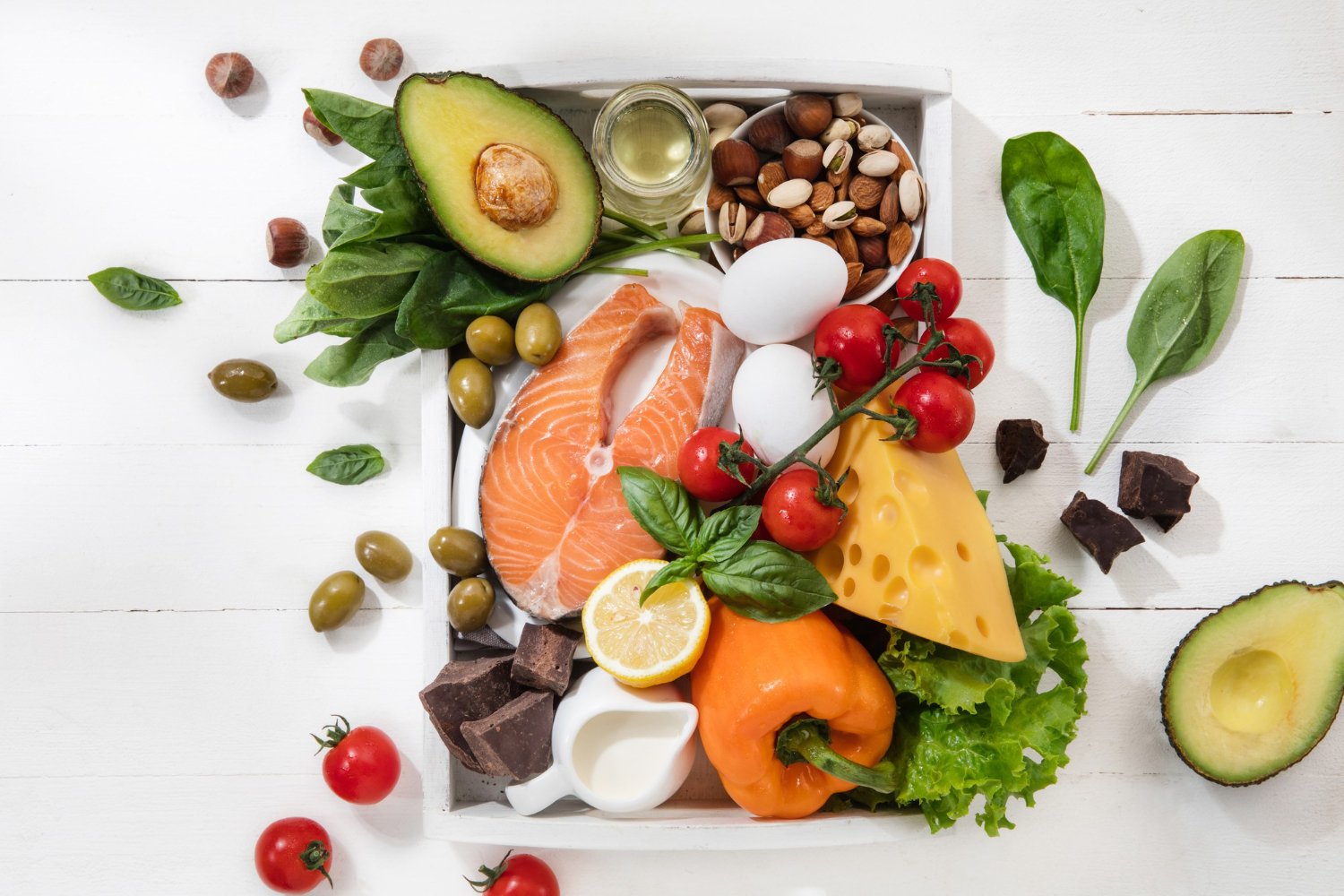
A well-balanced nutrition plan focused on whole foods, lean protein, fiber, and healthy fats can significantly improve insulin response.
5. Lifestyle Becomes More Sedentary
Many people move less after 40 compared to earlier decades. Desk jobs, busy schedules, and reduced recreational sports all contribute to lower daily calorie burn.
Small daily changes — walking more, resistance training, and staying active throughout the day — can make a big difference.
The Real Solution: It’s Not About Eating Less — It’s About Eating Smarter
Crash dieting often backfires after 40. Instead of extreme calorie restriction, the focus should be on:
- Balanced macronutrients
- Protein-rich meals
- Strength training
- Hormone-supportive nutrition
- Sustainable lifestyle habits
If you’re feeling stuck, working with a professional can help you create a strategy tailored to your body’s needs. If you’re located in New Jersey and searching for a nutrition service near Princeton area, getting personalized guidance can help you address metabolism, hormones, and long-term fat loss in a structured way.
Relevant Keywords Included in This Blog
- Weight loss after 40
- Hormonal weight gain
- Metabolism slowdown after 40
- Fat loss for adults over 40
- Nutrition service near Princeton area
Final Thoughts
Weight loss after 40 isn’t impossible — it’s just different. Your body requires a smarter, more strategic approach. Once you understand the science behind the changes, you can adapt your nutrition and fitness plan to match your current needs.
Instead of feeling frustrated, think of this stage as an opportunity to build sustainable habits that support long-term health, energy, and confidence.